
Saving the Sea of Glass: Glass Sponge Reefs in BC
Rare marine ecosystems found almost only off the coast of BC.
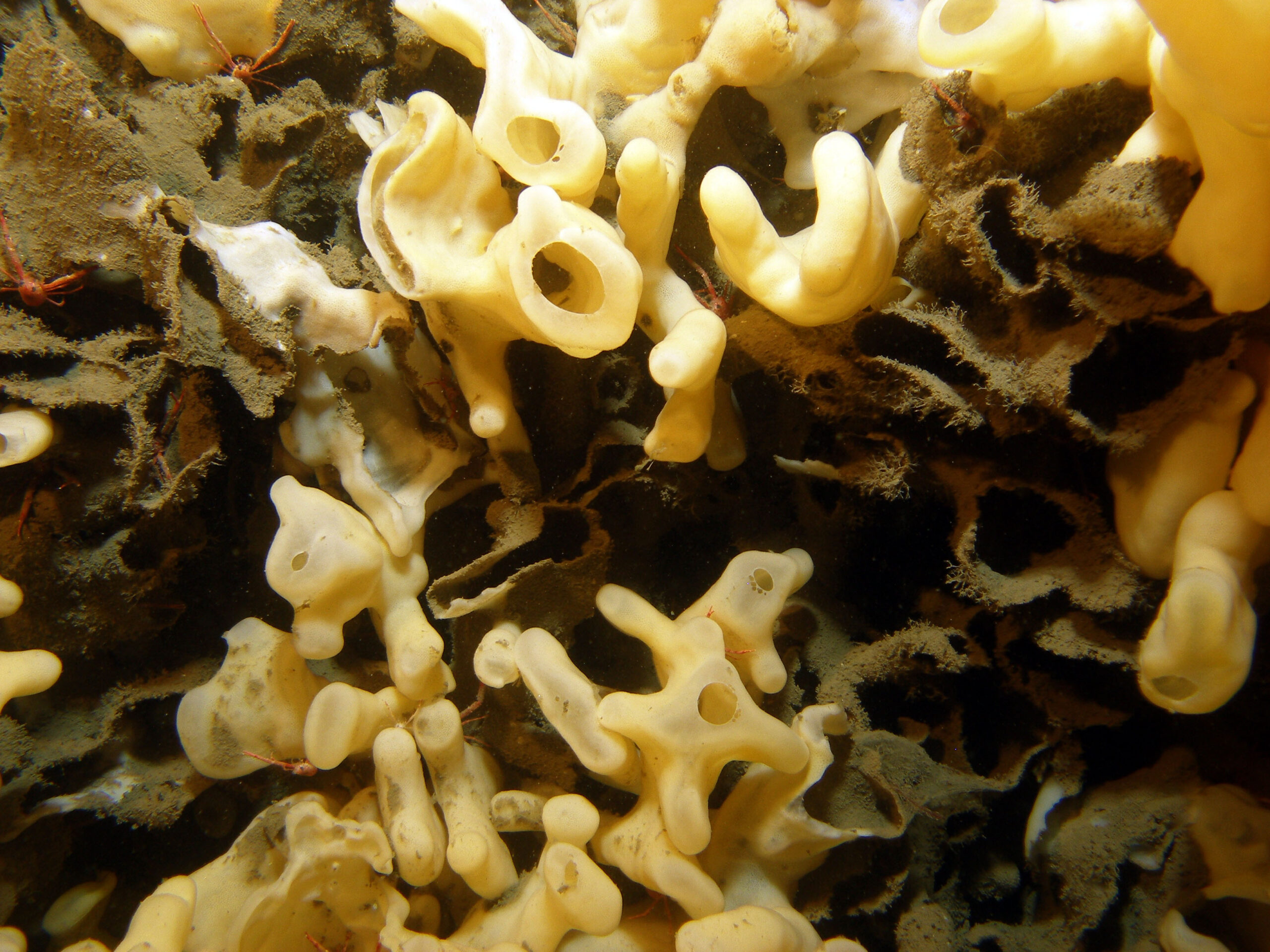
Glass sponges are living, breathing animals with skeletons composed of silica — a material used to make glass. Instead of being soft, these creatures are brittle and fragile.
While individual glass sponges have been found worldwide, reefs are extremely rare. Widespread during the time of the dinosaurs, scientists used to believe glass sponge reefs went extinct about 40 million years ago. That was until Canadian scientists discovered live reefs in 1987 that were more than 9,000 years old along the north coast of BC. Now, almost all known glass sponge reefs are found in ocean waters off the BC coast.
These reefs are incredibly important to ocean ecosystems, providing habitat for marine life such as rockfish and shrimp, storing carbon on the seafloor, filtering water of bacteria, and fertilizing the ocean.
Glass sponge reefs are extremely fragile, shattering under the weight of bottom trawling nets and prawn traps. Slow growing, it is unknown if they can recover. In BC, glass sponge reefs are safeguarded with marine protected areas and marine refuges that prohibit bottom contact fishing.
Learn how we work to “Save the Sea of Glass” in BC:
Strait of Georgia and Howe Sound Glass Sponge Reef Conservation Initiative
Hecate Strait and Queen Charlotte Sound Glass Sponge Reefs Marine Protected Area
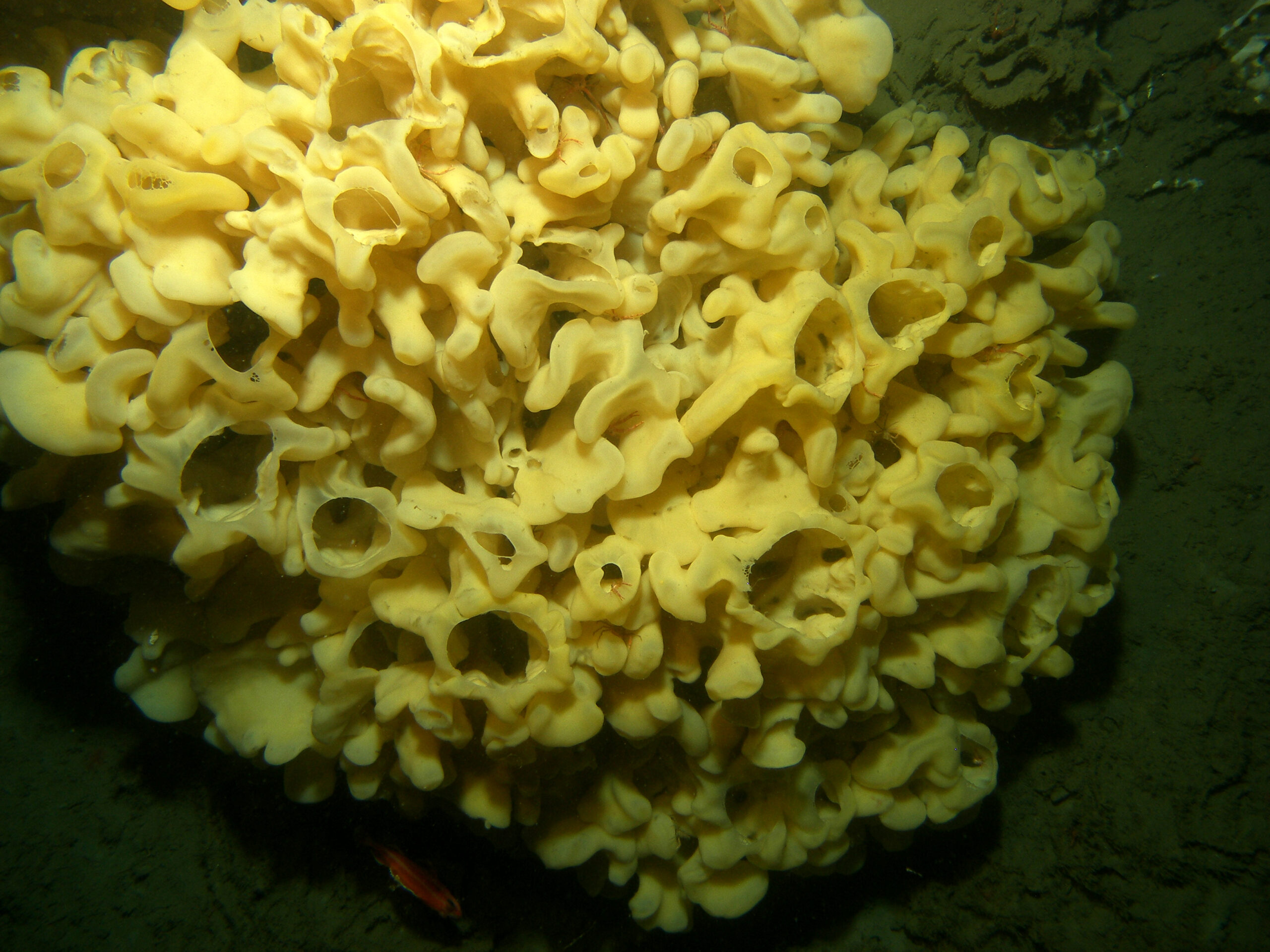
Photo by: Kim Conway
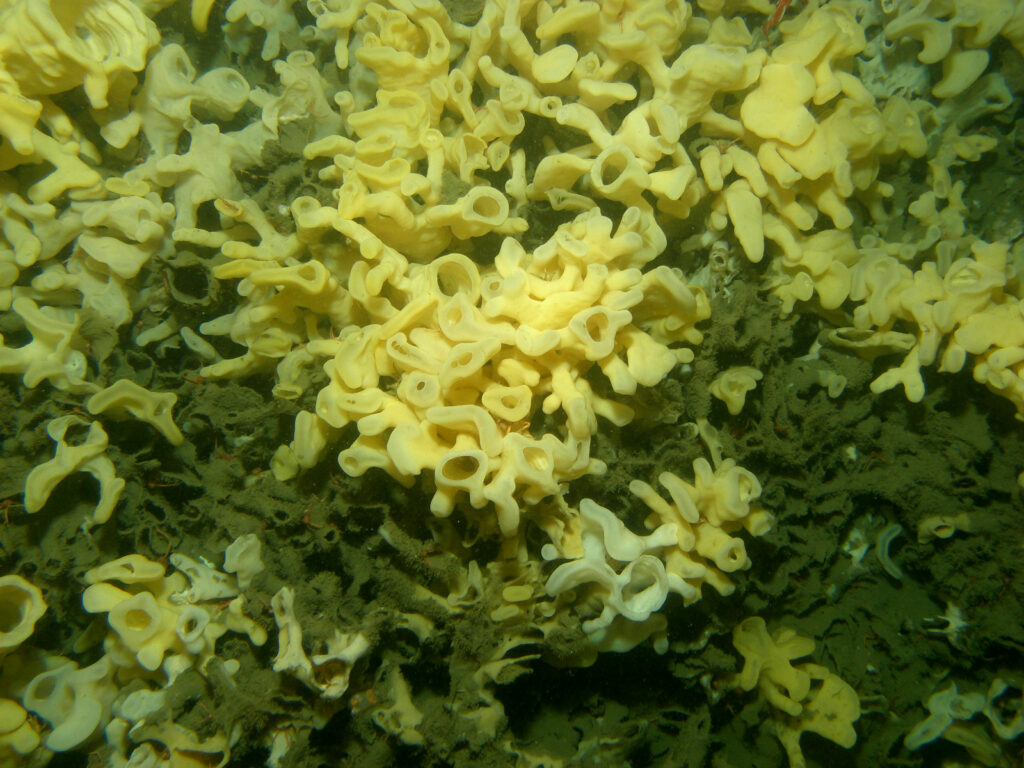
Photo by: Kim Conway
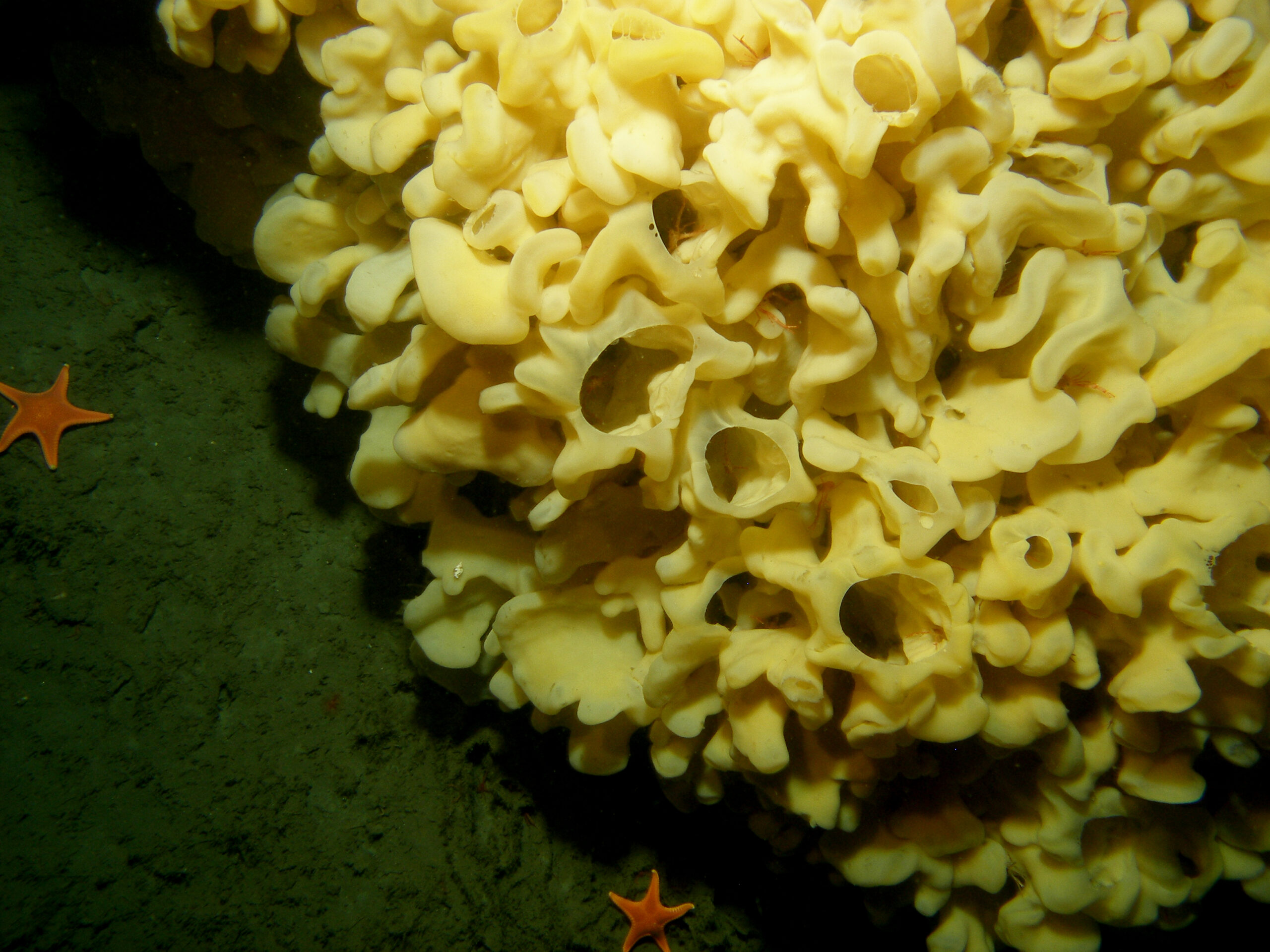
Photo by: Kim Conway
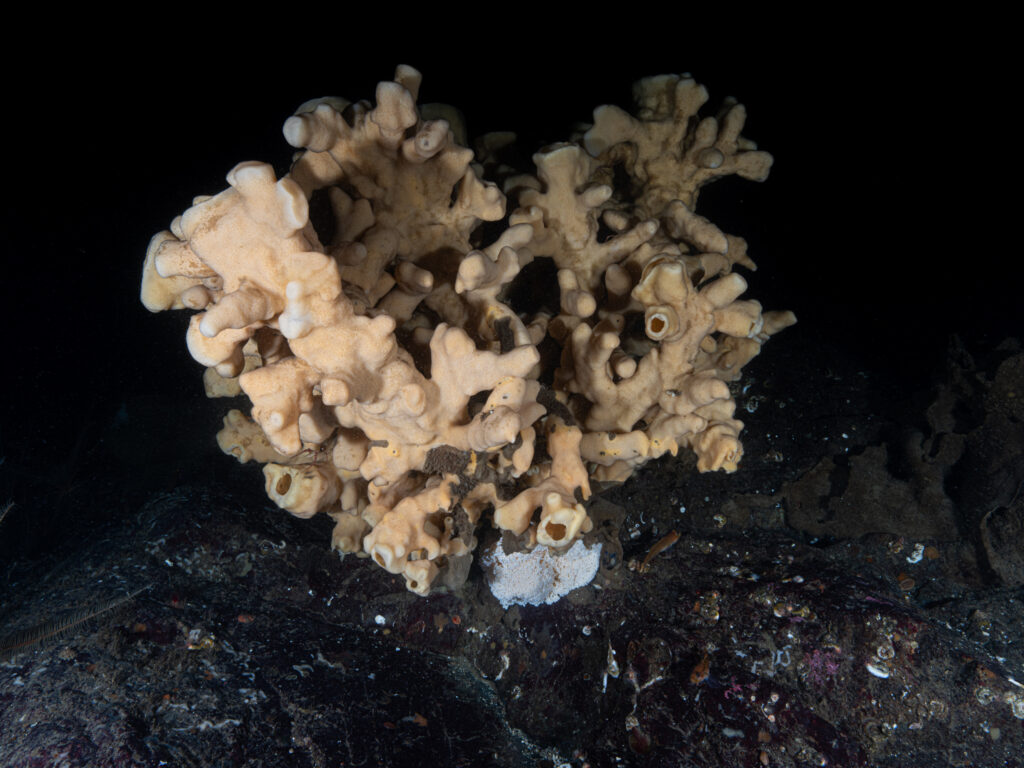
Photo by: hewittdoesit (CC BY-NC 4.0), iNaturalist
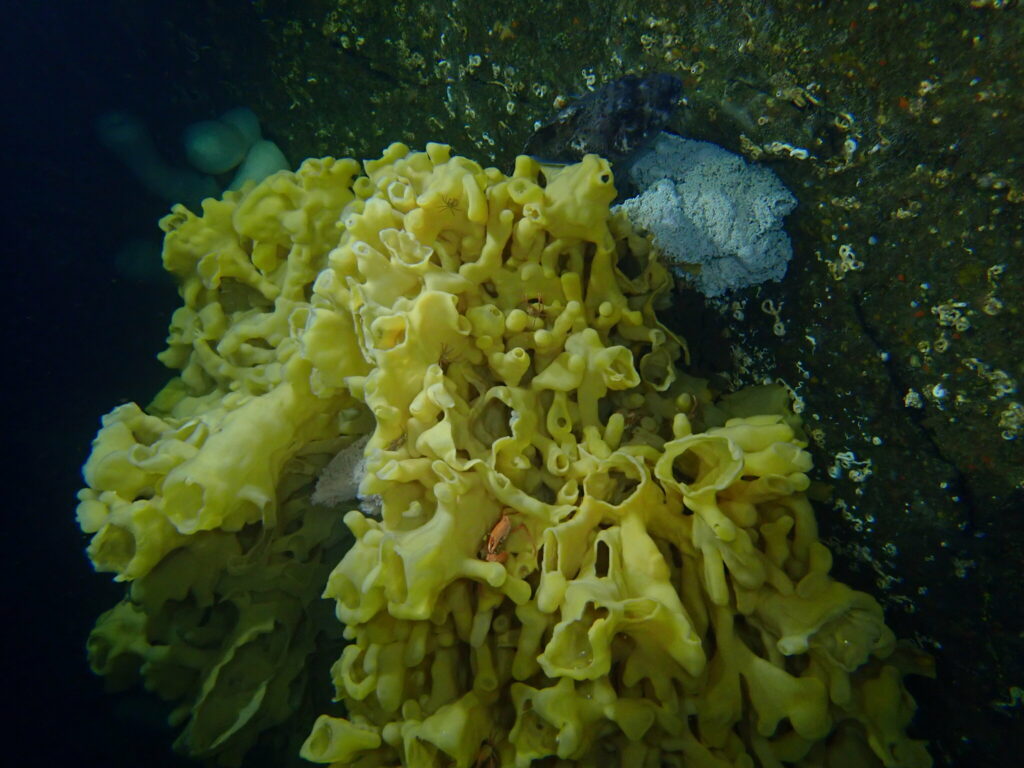
Photo by: kozymo (CC BY-NC 4.0), iNaturalist
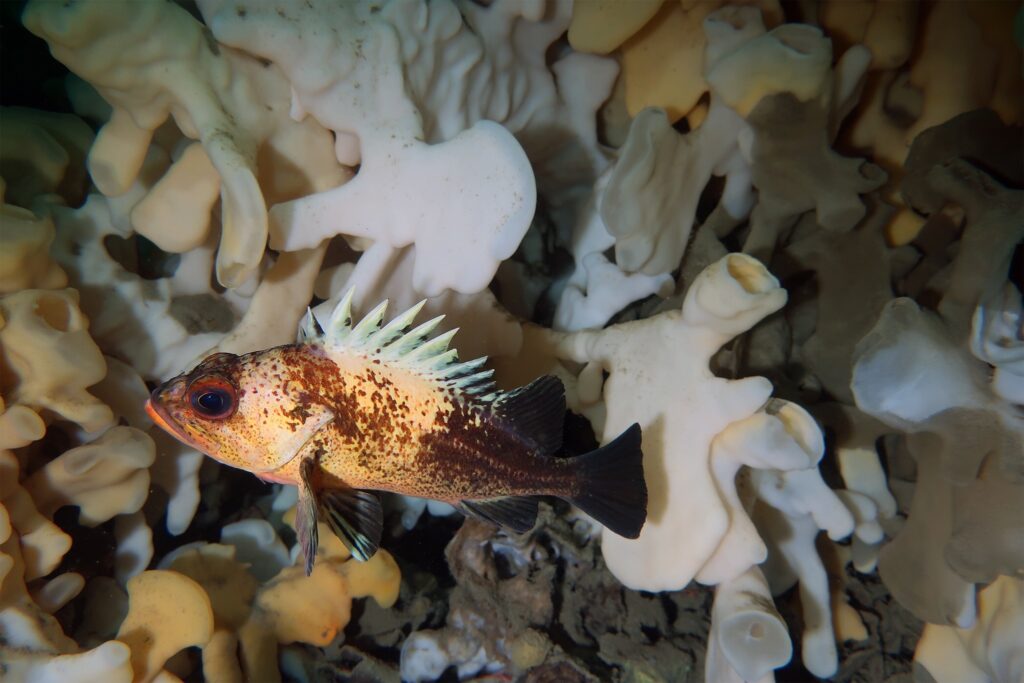
Photo by: Rachel Munger (CC BY-NC 4.0) iNaturalist
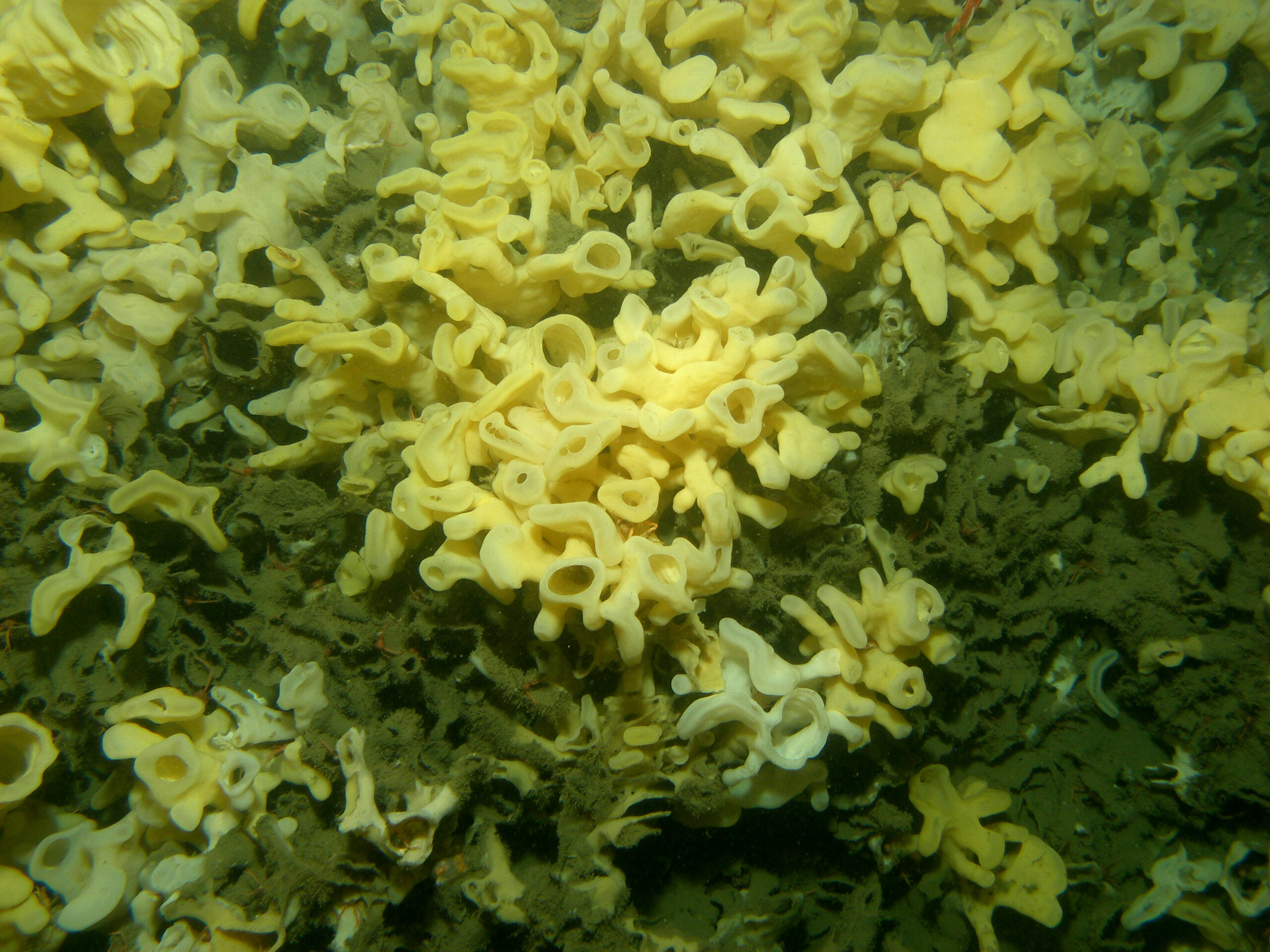
Photo by: Kim Conway
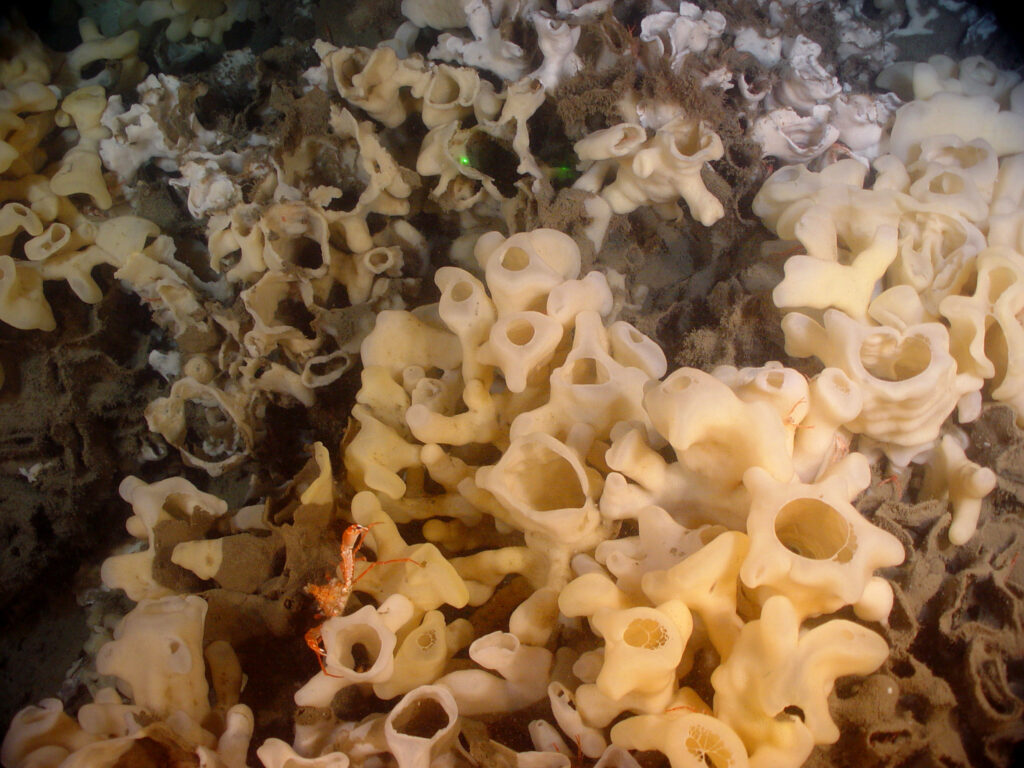
Jackson W.F. Chu (CC BY-NC-SA 4.0), iNaturalist
Photo by: Kim Conway
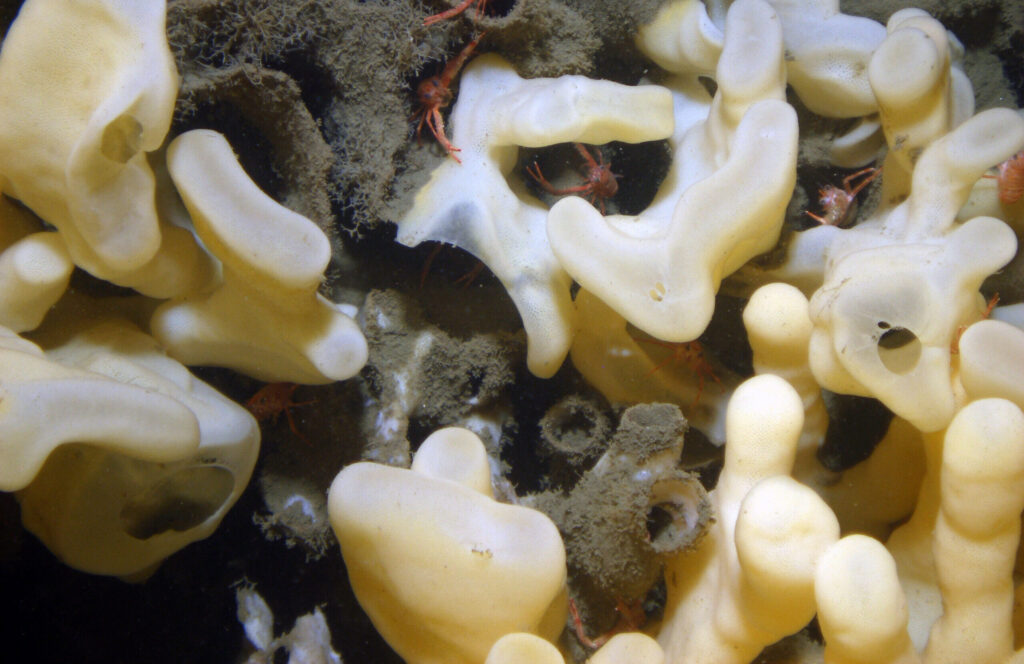
Photo by: Kim Conway
We need you to sign our petition today!
Save the Sea of Glass
Learn More
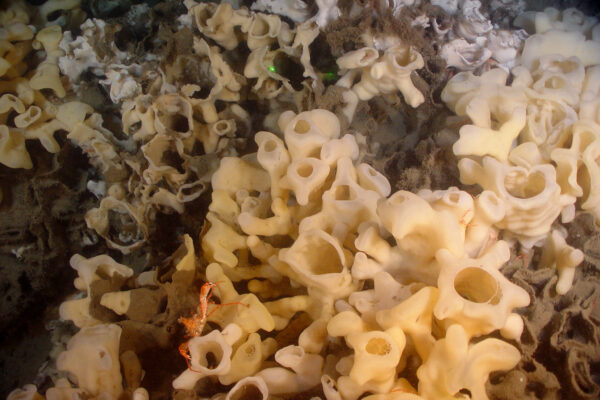
Glass sponge reefs are rare ecosystems found almost only off the coast of BC. Once thought extinct for millions of ...
More Info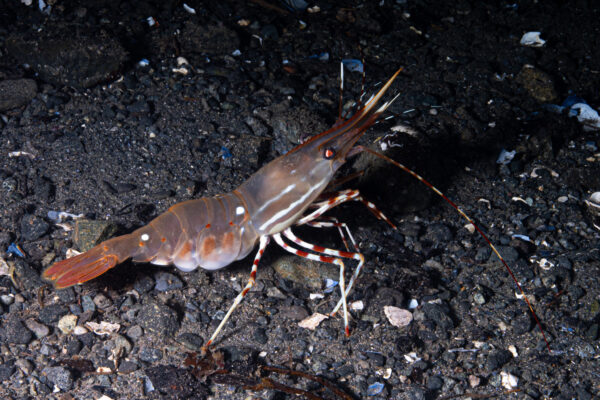
Átl’ḵa7tsem / Howe Sound Glass Sponge Reef Wildlife
The glass sponge reefs of Átl'ḵa7tsem / Howe Sound are biodiversity hotspots, providing refuge and nursery grounds for numerous marine ...
More Info
Marine Protected Areas: Benefits for Nature and People
A win-win! Marine Protected Areas are not simply about restricting activities or access, they’re about letting life back in and ...
More Info


