Flathead Valley
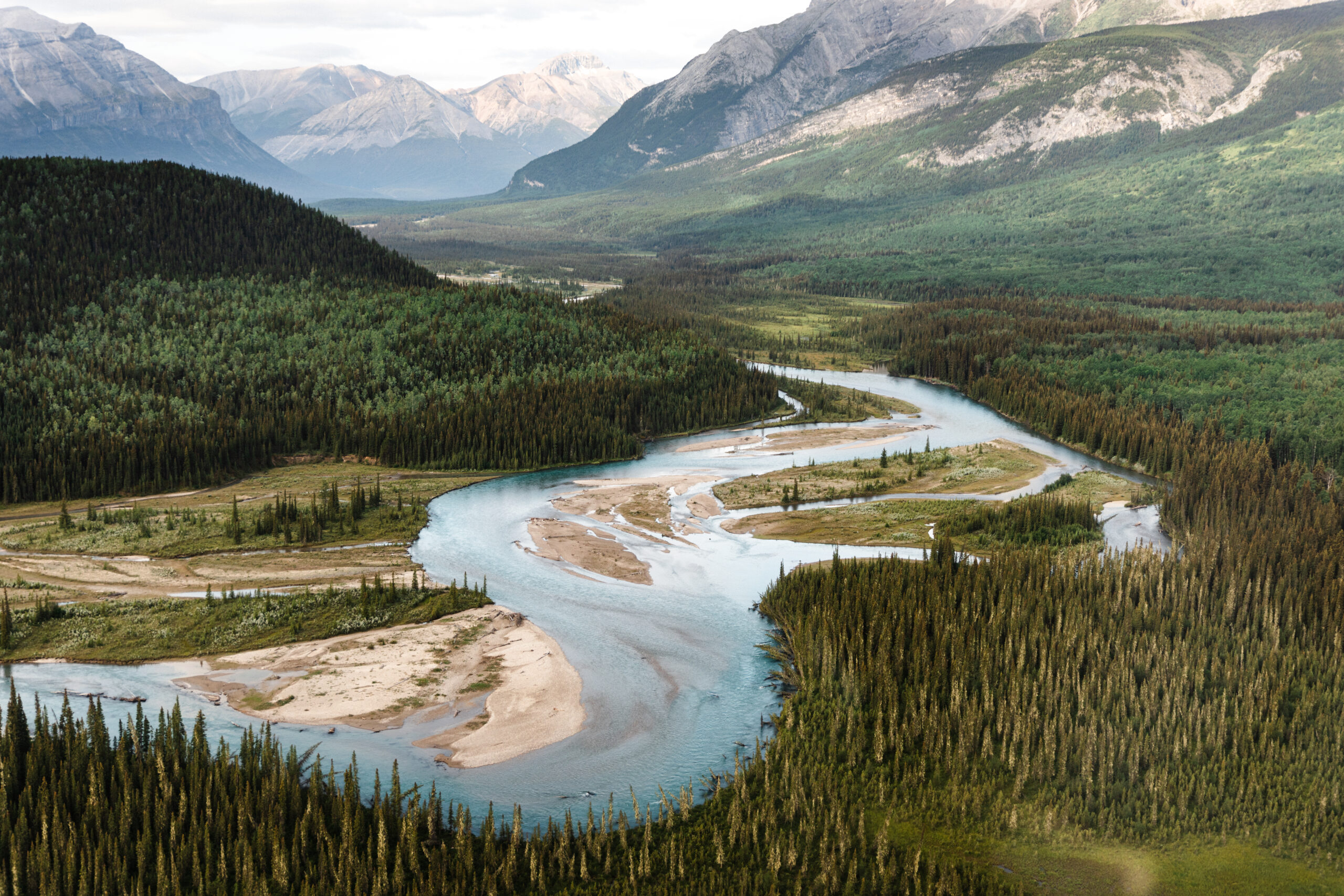
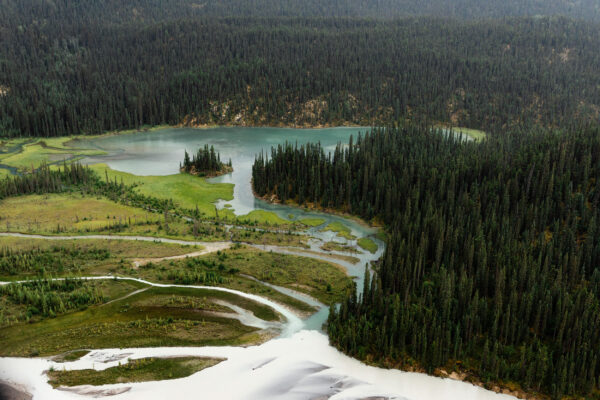
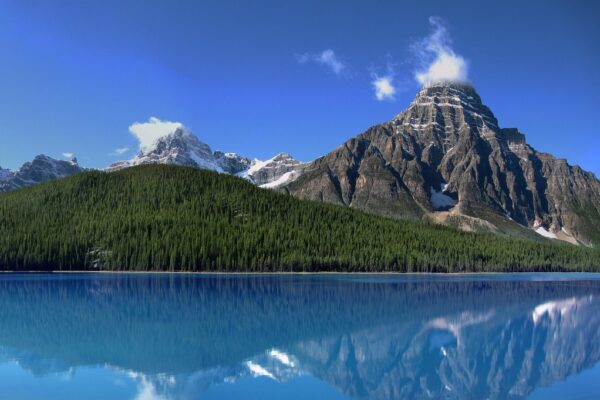
Southeastern BC is a spectacular landscape of mountains, valleys, lakes
and rivers. It is home to exceptionally high populations of large mammals
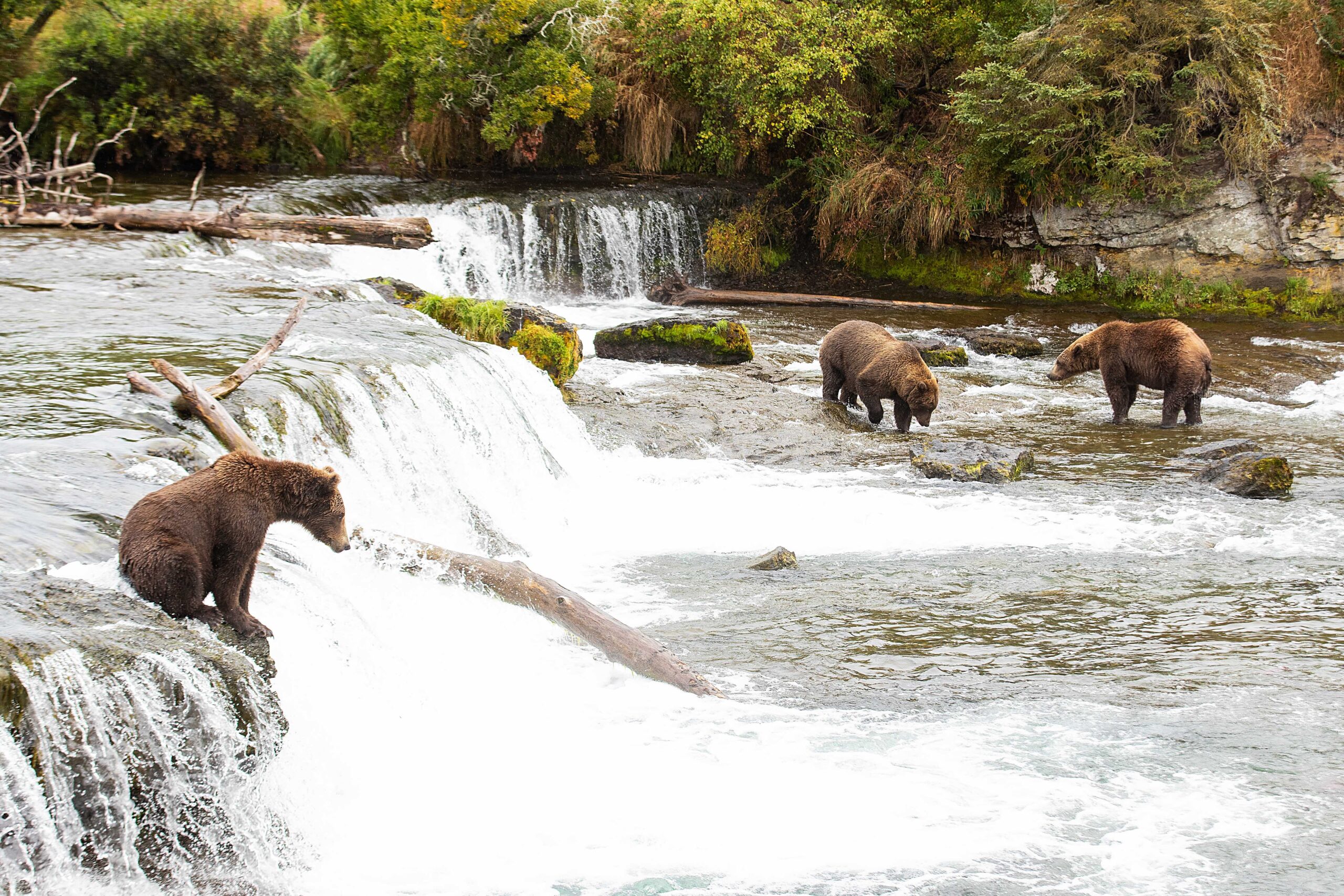
like grizzly bears, wolves, bighorn sheep, mountain goats, and elk. However, this land also is increasingly threatened by industrial activity such as large scale coal mining and methane gas extraction.
Gwaii Haanas Proposed National Marine Conservation Area
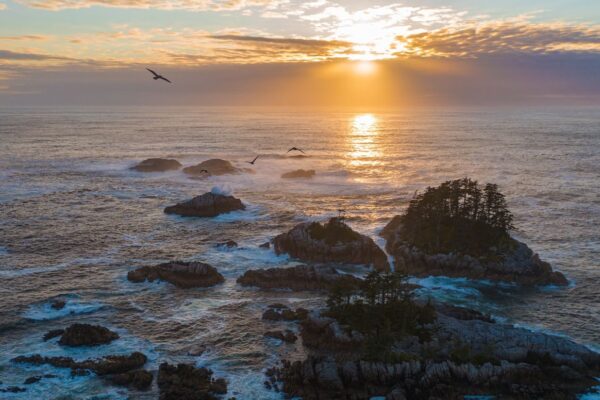
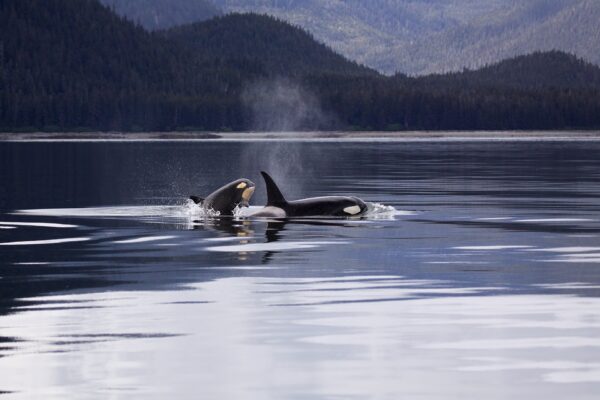
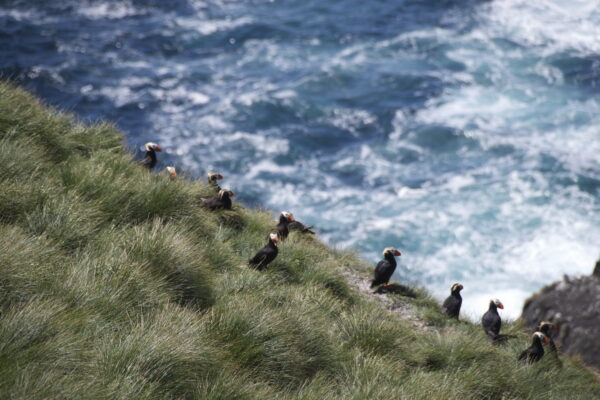
Gwaii Haanas National Park Reserve is known for its spectacular beauty and unique ecology. Gwaii Haanas is also home to an amazing concentration and diversity of marine life - from tufted puffins to the seventeen species of whales and dolphins, fish species including herring, salmon, halibut and rockfish, and incredible kelp forests.
South Okanagan-Similkameen
Home to one-third of BC's threatened and endangered species, including the flammulated owl, Lyall's mariposa lily and the Great Basin spadefoot toad, the South Okanagan-Similkameen is Canada's only true desert. It contains many types of ecosystems found in close proximity: as one ascends the valley wall desert-like ecosystems with sagebrush and cactus, give way to ponderosa pine and Douglas-fir, and higher still, to sub-alpine forest and alpine tundra.
Glass Sponge Reefs & Cold Water Corals
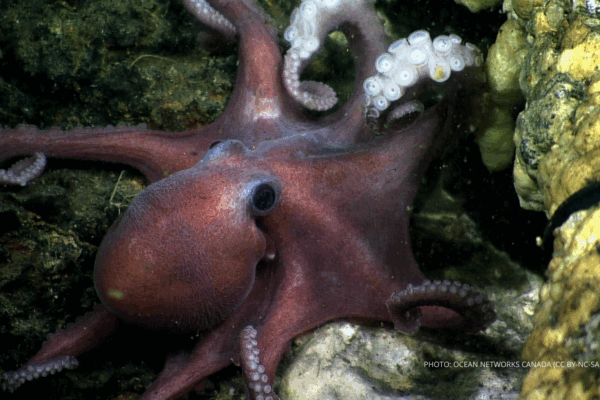
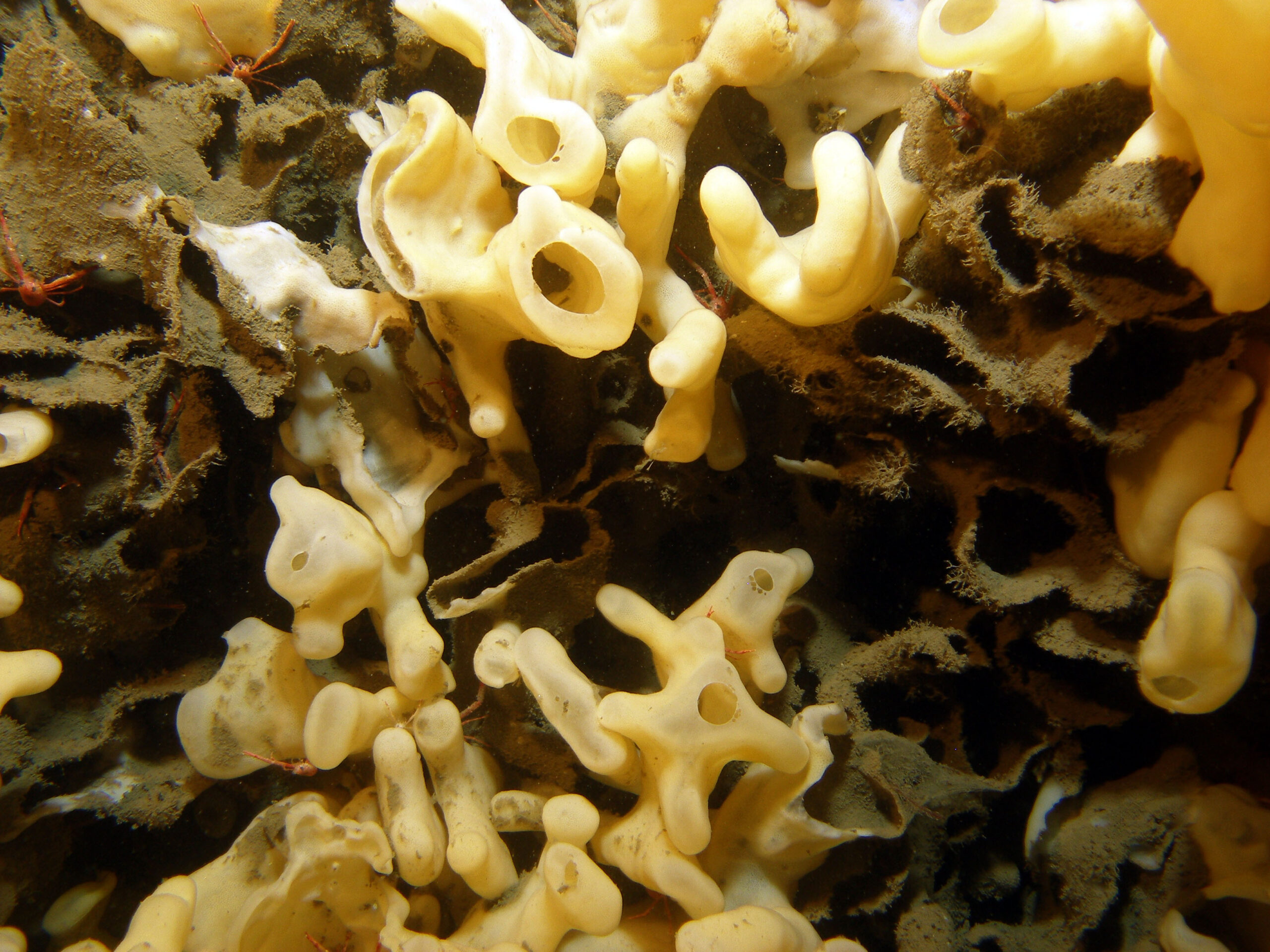
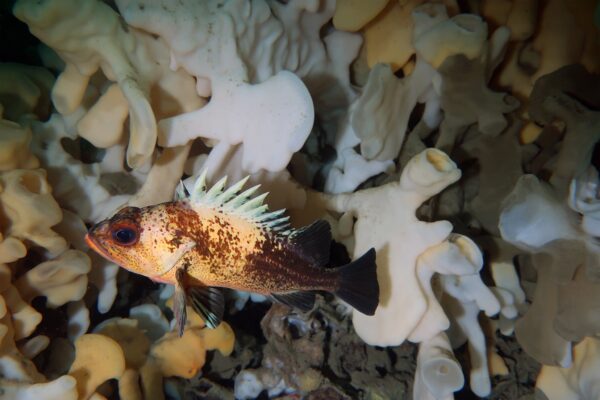
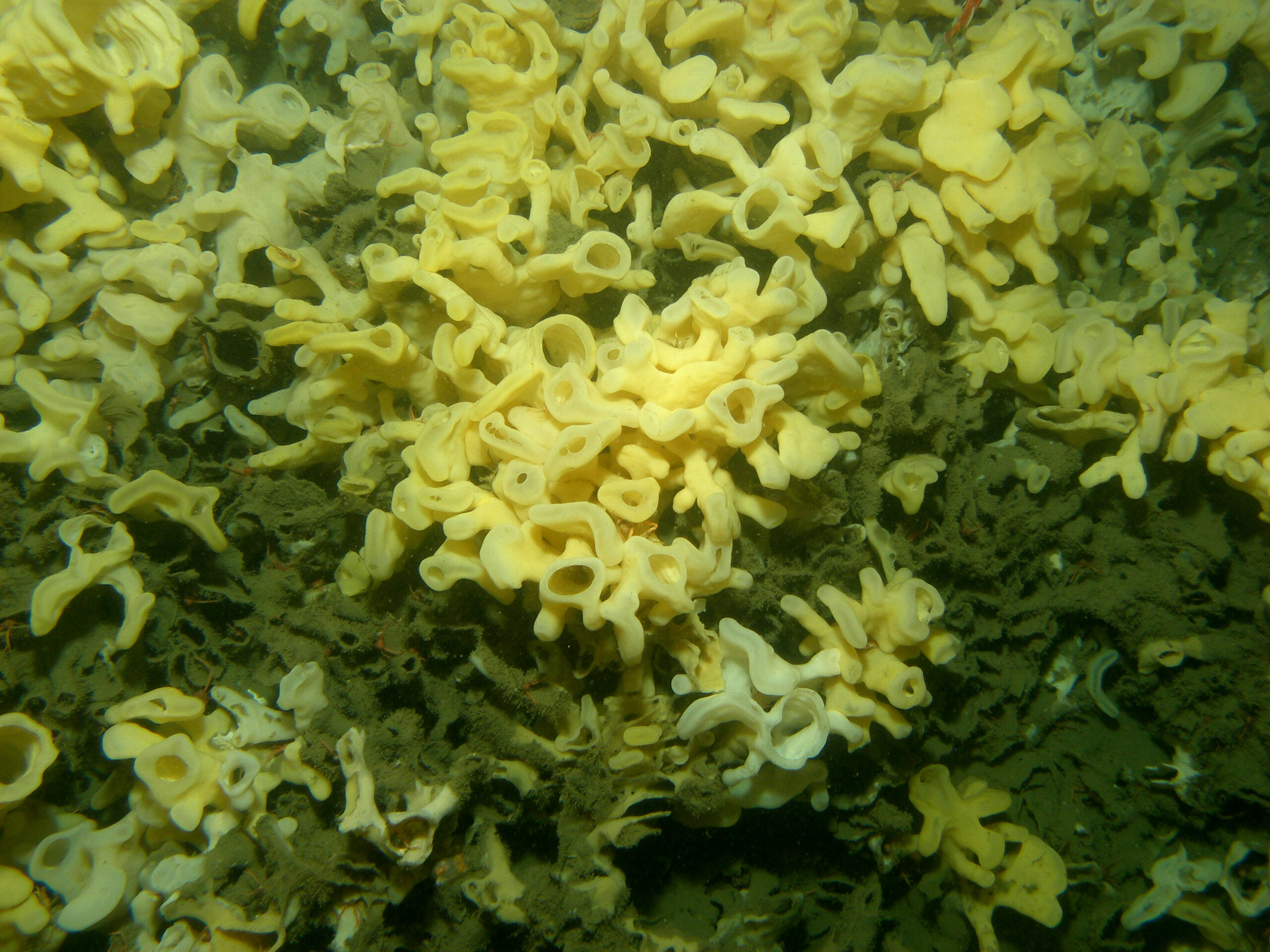
Dating back 9,000 years, and thought to have become extinct 40 million years ago, the globally unique glass sponge reefs of BC provide vital habitat for juvenile rockfish and other marine life. Cold water corals also provide habitat for a wide variety of species, including rockfish, shrimp and crabs. They are slow-growing and are therefore extremely vulnerable to damage.
Southern Strait of Georgia Proposed National Marine Conservation Area
Situated between Vancouver Island and the British Columbia mainland, the Southern Strait of Georgia is a nutrient-rich marine environment with lush kelp forests and sea grass beds, providing habitat for a vast array of marine life. CPAWS-BC is working with community groups to advance the establishment of a zoned National Marine Conservation Area in the southern Strait of Georgia.
Scott Islands Marine Wildlife Area
Located off the northern tip of Vancouver Island, the Scott Islands represent the single most important seabird area in Pacific Canada. In addition to providing feeding habitat for internationally listed species of endangered seabirds, the region supports some of the the largest Steller Sea Lion rookeries in the world and is an important rockfish area.
South Kootenay
Located in the BC interior along the Canada-US border, this area is home to grizzly bears and endangered Mountain Caribou. CPAWS's goal here is to ensure protection of habitat and the free movement of animals to and from other wilderness protected areas. This means wilderness area connectivity in the South Kootenays to the US, and east-west connectivity to the Yellowstone to Yukon corridor.
SeaChoice
The movement towards sustainable seafood is about solutions for our oceans. Choosing sustainable seafood is a simple and effective action that you can take every time you eat at a restaurant or buy seafood. Whether you are an individual shopper, a chef, or a supplier, your choices count.
Big Eddy
Who is Big Eddy? The Juan de Fuca Eddy ecosystem, affectionately known as "Big Eddy" is a seasonal, nutrient rich eddy that drives a highly productive transboundary marine ecosystem. Located off the west coast of Vancouver Island and the northwest coast of the Olympic Peninsula in Washington, the Big Eddy is one of the most productive ocean ecosystems in North America.
Pacific North Coast Integrated Management Area (PNCIMA)
CPAWS is working with the major marine conservation organisations in BC to advance, inform and guide integrated oceans management planning on the BC coast with an initial focus on the Pacific North Coast Integrated Management Area (Northern Vancouver Island to the Alaska border).
Great Northern Ecosystems
Above: Horseranch Range, British
Columbia (Photo: Brian Evans)
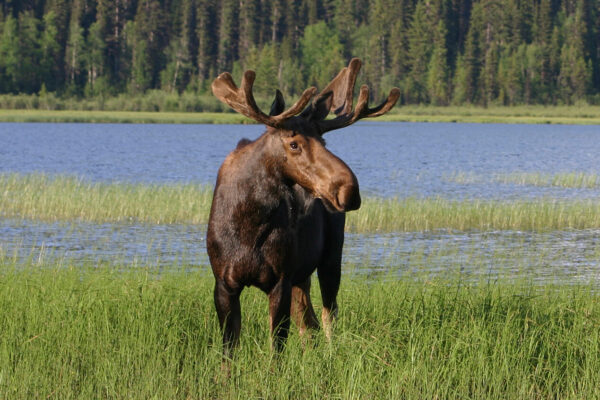
Northern British Columbia is a vital ecological hub. Here the Boreal forest that stretches across northern Canada intersects with a major animal migration and habitat area that stretches from the Yukon to Yellowstone National Park in the United States. Northern British Columbia is one of the last intact ecosystems in North America. With few roads or other human activities segmenting the land, it boasts the greatest abundance and diversity of large wild animals in North America; providing habitat for moose, elk, the endangered Mountain Caribou, and many others. Protecting vital parts of Northern British Columbia will help ensure the continued existence of this still truly wild habitat and the species that it supports.
Kaska Traditional Territory
CPAWS-BC envisions itself as a facilitator of ecosystem-based land use planning. The Kaska identified goals of economic development and environmental protection of their traditional territory. Together, the Kaska and CPAWS-BC identified the relevant issues and solutions in regard to these, often compatible, goals. By combining Kaska traditional knowledge of their environment and CPAWS conservation know-how a land use plan that included large-scale protection of important ecological areas and sustainable economic developments was established.
Sacred Headwaters Southeast
In this heavily mineralised area of the North, there exists substantial potential for coal bed methane developments. In addition to being of significant ecological importance it is of great traditional and spiritual value to the Iskut and Tahltan nations. CPAWS is providing information and support to the Iskut and Tahltan nations to help protect parks and nearby wilderness from rampant industrial development.
Muskwa-Kechika Management Area
The Muskwa-Kechika Management Area overlaps with Kaska Traditional Territory and encompasses much of the core area of the Great Northern Ecosystem. Rich in abundance and diversity of large wild animals, it is the first conservation-based land use plan for the area. Currently, CPAWS is working with local communities to ensure the plan is implemented appropriately and becomes the model for the rest of the province.
Natural Region 7
Identified as one of Canada's distinct 39 natural regions, the Government of Canada committed itself to the goal of at least one national park in each region; Natural Region 7 is yet to have a national park. Within Natural Region 7's boundaries are the Muskwa-Kechika Management Area and the Kaska Traditional