
Saving the Sea of Glass: Hecate Strait and Queen Charlotte Sound Glass Sponge Reefs Marine Protected Area
Protecting rare and fragile glass sponge reefs on the north and central coasts of British Columbia from destructive fishing
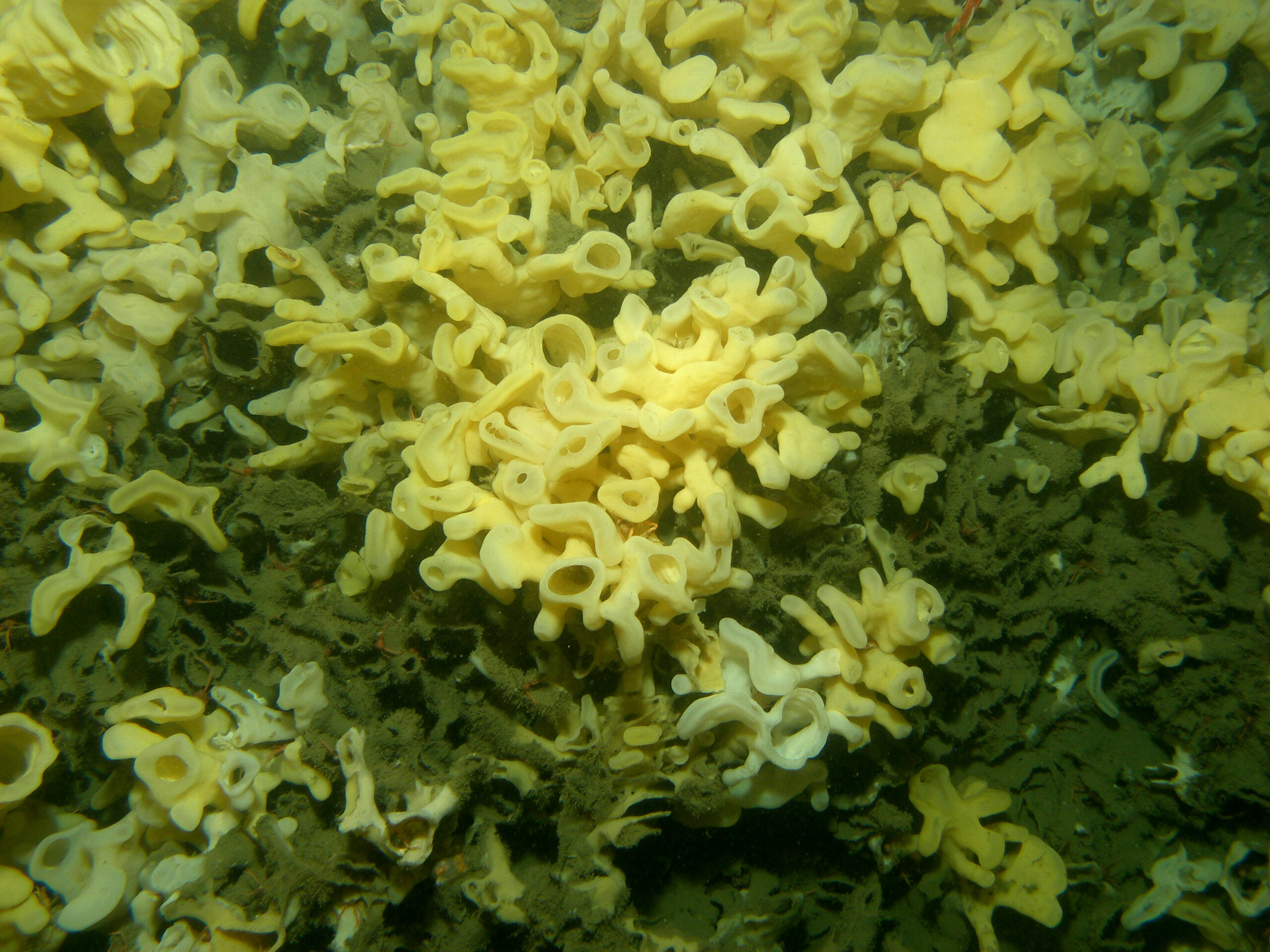
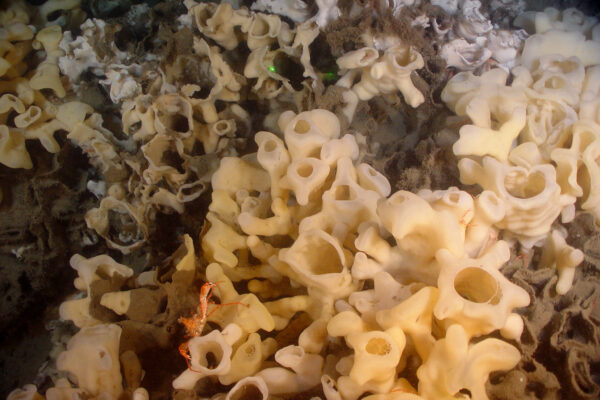
After tens of millions of years of being thought extinct, glass sponge reefs were discovered deep in the waters off the BC north and central coasts. For scientists, it was like finding a herd of living dinosaurs.
These unique marine ecosystems provide critical habitat for rockfish and shrimp, store carbon, fertilize the ocean, and filter water. Fragile and vulnerable to damage from fishing methods like bottom trawling, these reefs need protection to sustain the biodiversity and livelihoods of coastal communities. CPAWS-BC’s campaign aims to strengthen regulations for the existing Hecate Strait and Queen Charlotte Sound Glass Sponge Reefs Marine Protected Area as part of the Great Bear Sea Marine Protected Area Network. Safeguards also need to be designated for known reefs that are still unprotected.
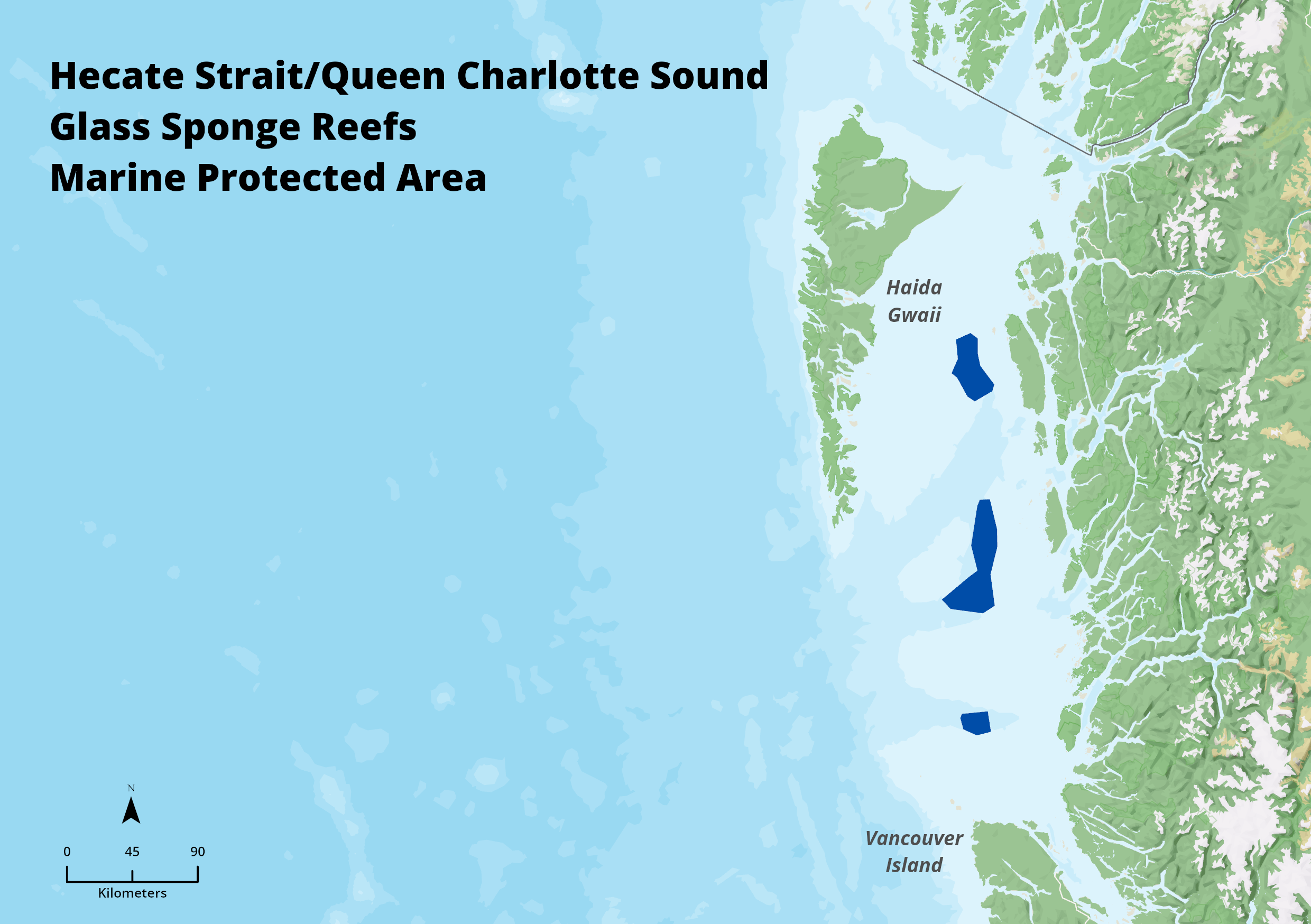
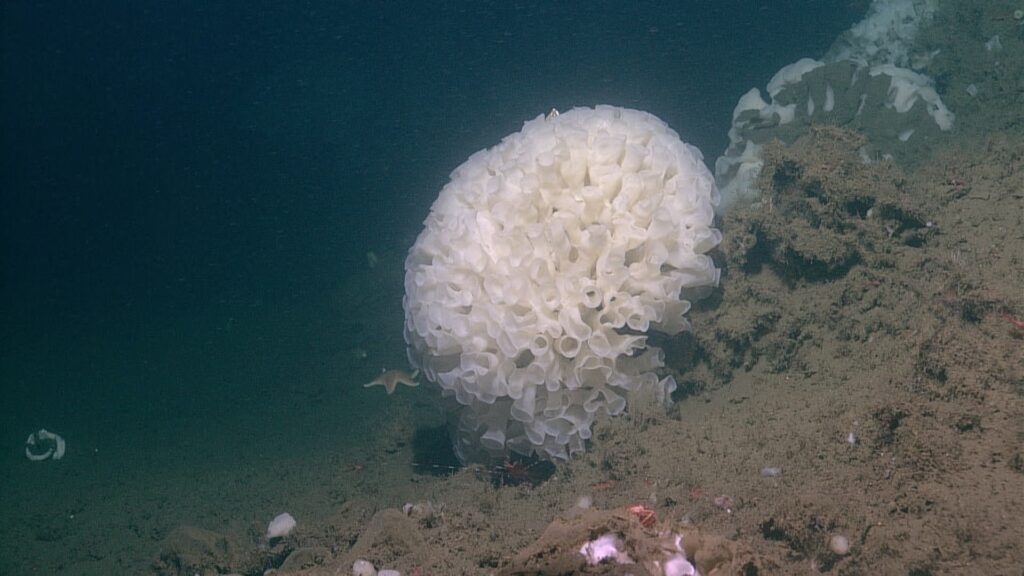
Photo by: Fisheries and Oceans Canada (CC BY-NC 4.0), iNaturalist
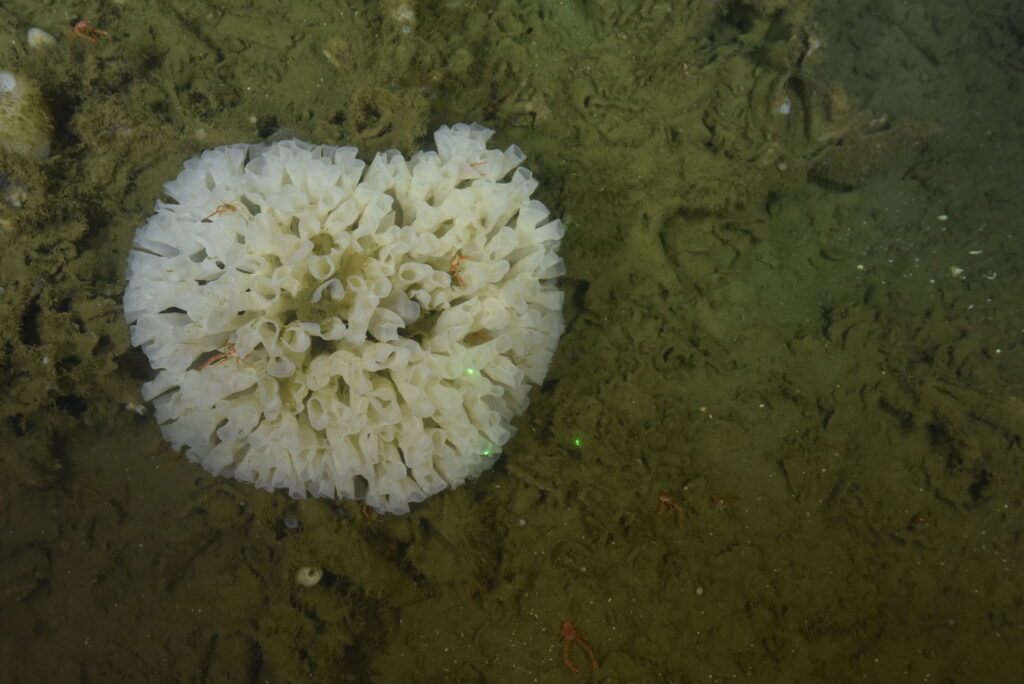
Photo by: Nathan Grant (CC BY-NC 4.0), iNaturalist
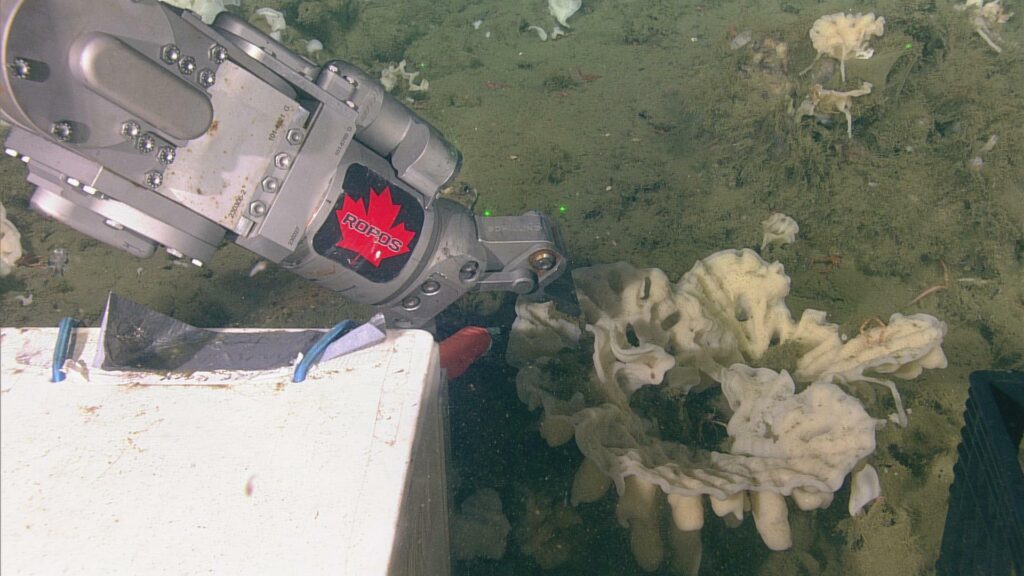
Photo by: Fisheries and Oceans Canada (CC BY-NC 4.0), iNaturalist
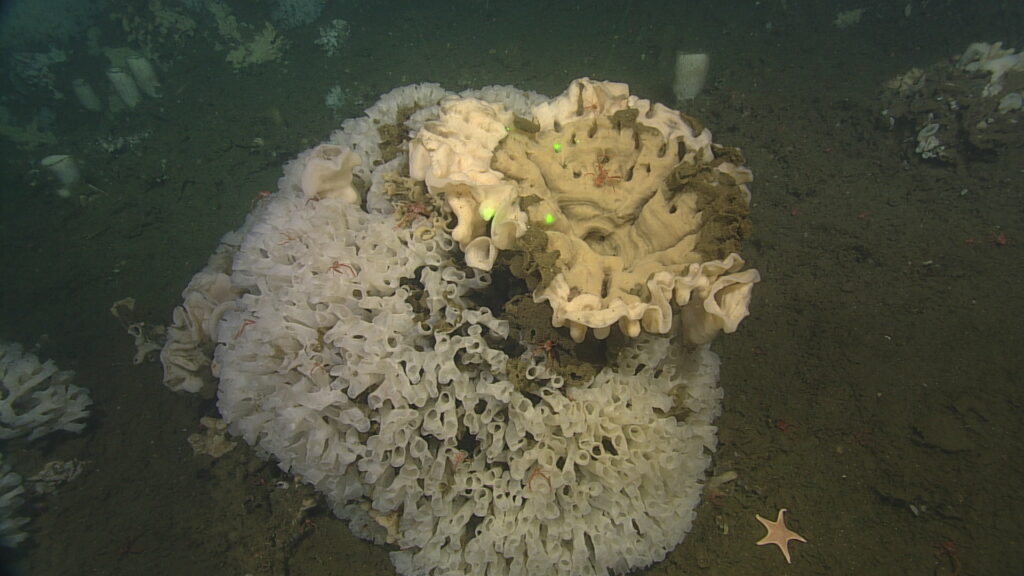
Photo by: Nathan Grant (CC BY-NC 4,0), iNaturalist
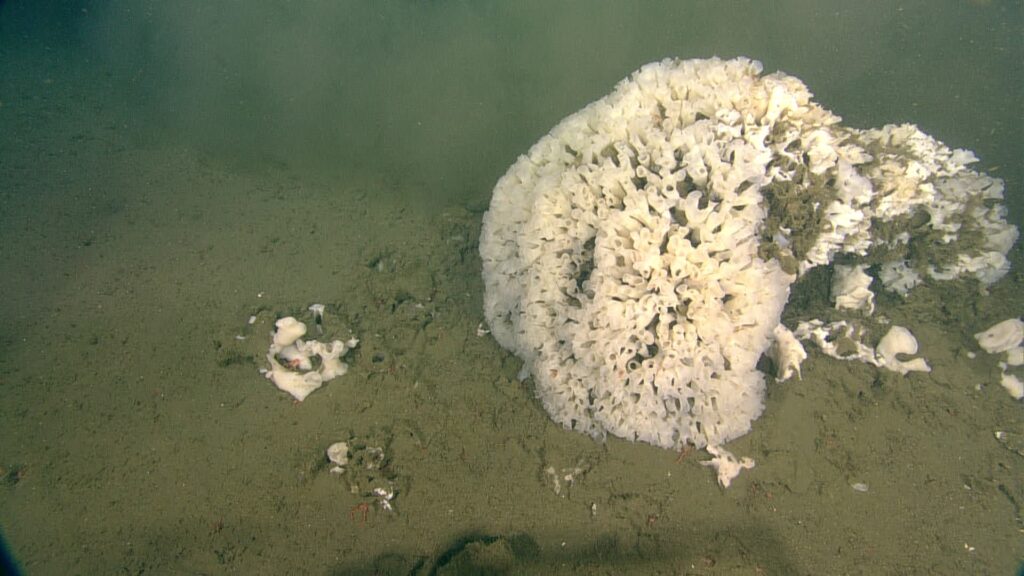
Photo by: Fisheries and Oceans Canada (CC BY-NC 4.0), iNaturalist
Why Action is Needed
What's at Stake?
The glass sponge reefs in BC face significant threats from bottom contact fishing, which can shatter their fragile silica structures. Sediment kicked up from bottom contact fishing also causes these sponges to choke, forcing them to stop feeding. Without protection, unique marine ecosystems, coastal cultures, and local economies are at risk. Strong protection is essential to preserving biodiversity and sustaining ecological functions. Protecting these reefs ensures the continued health of the marine environment and the BC communities that depend on it.
- Fragile silica (glass) skeletons
- Easily damaged by heavy bottom contact fishing gear
- “Choke” from sediment created from bottom trawling

Solutions
CPAWS-BC advocates for strong marine protected areas that ban bottom contact fishing on and near glass sponge reefs
Giant glass sponge reefs off the BC central coast are protected by the Hecate Strait and Queen Charlotte Sound Glass Sponge Reefs Marine Protected Area. New research shows that the buffer zones are too small and that the protected area should be expanded.
There are also several known living reefs in the Great Bear Sea that are currently unprotected. Urgent designation is needed to safeguard these reefs from destruction from bottom contact fishing before it is too late.
- Ban bottom contact fishing
- Expand Hecate Strait and Queen Charlotte Sound GSR MPA
- Permanent protection for all reefs
- Community and stakeholder collaboration
We Need Your Help
To Protect BC’s Wilderness Now & Forever

Yes, I want to help protect Canada's wilderness
Other Ways to Help
Learn More
Glass sponge reefs are rare ecosystems found almost only off the coast of BC. Once thought extinct for millions of ...
More Info
Marine Protected Areas 101: An introduction to MPAs The beautiful coast of British Columbia has sustained people for thousands of ...
More Info
Marine Protected Areas: Benefits for Nature and People
A win-win! Marine Protected Areas are not simply about restricting activities or access, they’re about letting life back in and ...
More Info


